On an active job site, debris isn’t just a mess — it’s a safety issue. If tear-out starts and the roll-off isn’t there (or it’s the wrong size), crews lose time, materials pile up, and you’re suddenly making decisions under pressure that lead to overages or extra hauls.
This guide is built for contractors working in Monroe and Ouachita Parish who want a clean plan: which dumpster sizes typically fit common jobs, what pricing factors to account for, how to coordinate delivery and pickup around phases, and what to watch for with placement, permits, and weight.
If you need container options or want to lock in a schedule, see what sizes are available right now!Don’t treat trash removal as an afterthought. Having a container on site keeps demo and cleanup moving safely and swiftly, so crews aren’t stepping over debris, staging waste in walk paths, or stopping work to load trailers and make dump runs.
It gives you one predictable disposal point — especially useful when jobs generate heavy materials that can trigger overage fees if you’re not planning for weight. For Monroe projects where space and right-of-way rules can matter, planning the dumpster early is often the difference between a smooth start and a delayed drop-off.
Most contractor jobs don’t just “make trash” — they generate specific debris that behaves differently in a roll-off. Some projects fill a container fast because the material is bulky. Others stay low in volume but go heavy quickly. Knowing that difference upfront helps you choose the right size, avoid downtime, and keep your disposal plan aligned with the schedule.
The takeaway: Two jobs with the same square footage can produce completely different dumpster needs. A 2,000-square-foot roof tear-off and a 2,000-square-foot interior cleanout aren’t the same load. If you match the container to the debris profile — volume and weight — you’re far less likely to run into overflow, overages, or a mid-job scramble for a second haul.

Common contractor projects that typically call for a roll-off include:
- Remodels and tear-outs (kitchens, baths, additions): a mix of drywall, flooring, cabinetry, fixtures — often dense and messy, with debris created in phases.
- Roofing jobs: shingles and underlayment are deceptively heavy, and tear-off loads can push weight limits before a dumpster looks “full.”
- Demolition work: concentrated heavy debris (framing, drywall, tile, masonry) that needs a clear plan for weight and safe loading.
For contractors, the “right” dumpster size is the one that protects the schedule. Under-sizing is where jobs get expensive — not just from overage fees, but from downtime, overflow, and the scramble to order an extra haul when the crew is ready to keep moving.
Most Monroe job-site work falls into a few practical ranges:
- 20-yard dumpsters are a common fit for many remodels, smaller demo phases, and mixed job debris where you need capacity without overcommitting.
- 30-yard dumpsters make sense when you’re dealing with higher-volume tear-outs, larger roofing jobs, or projects where debris will accumulate quickly over multiple phases.
- Smaller containers can work for tight access sites or limited-scope work, but they fill fast — especially with dense materials like drywall, tile, shingles, or plaster.
Two reminders that prevent most problems:
- Don’t plan by square footage alone. Roofing and tile loads go heavy fast; cabinets and framing go bulky fast.
- Avoid overfill. Loading above the rim creates safety issues and can delay pickup.
If you’re deciding between sizes, it’s usually safer to size for momentum, not best-case volume.
On a job site, timing matters as much as container size. If a dumpster shows up too early, it can sit unused while crews wait on materials or inspections. Too late, and debris piles up, slows demo, and forces workarounds that cost time. The smoothest projects are the ones where dumpster delivery and pickup are coordinated with demolition phases, not guessed at.
For most contractor jobs, scheduling delivery to coincide with the start of tear-out keeps crews moving without interruption. Standard rental periods usually cover typical demo windows, but longer or phased projects should account for extensions in advance so the container stays available when it’s needed.
The most effective way to avoid downtime is simple communication. Letting your dumpster provider know when schedules shift — weather delays, inspection changes, or added scope — makes it easier to adjust pickup or extend the rental without scrambling mid-job.
Planning beats last-minute fixes every time, especially on active Monroe job sites where space and access are already tight.
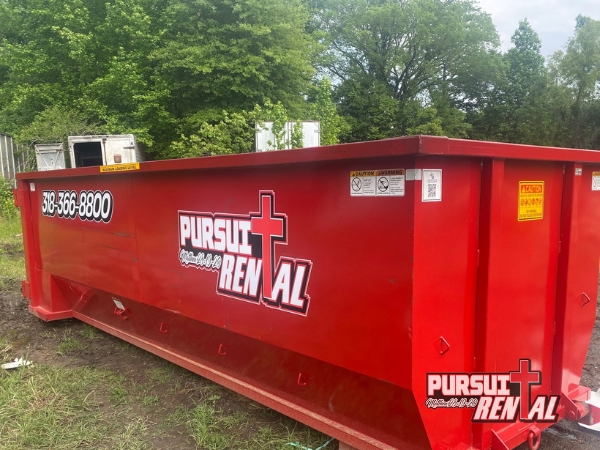
Where you place a dumpster can affect the entire job flow, especially on tighter Monroe sites. Whenever possible, contractors place roll-offs on private property — a driveway, lot, or designated work area — since this typically avoids permitting and keeps access simple for delivery and pickup.
When a dumpster needs to sit on a street or other public right-of-way, additional planning is required. The City of Monroe may require a right-of-way permit before placement, and that process should be handled before the container is delivered. Permits themselves are usually straightforward, but discovering the requirement on delivery day can delay drop-off and disrupt the schedule.
So before you reserve your dumpster, confirm access, clearance, and permit needs early so the dumpster can be set safely without blocking traffic, sidewalks, or neighboring properties — and without costing you time on day one.