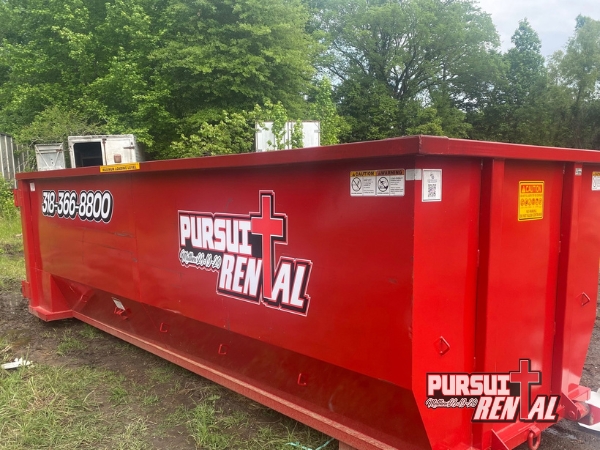
Kitchen and bathroom remodels are exciting — until the debris starts piling up. Even a “small” tear-out can leave you with heavy, awkward waste like tile, drywall, cabinets, and fixtures that won’t fit in curbside bins and definitely won’t disappear after one weekend of hauling.
If you’re remodeling in Monroe or anywhere in Ouachita Parish, a roll-off dumpster is often the cleanest way to keep the mess contained and the project moving. The trick is matching the container to what you’re removing (not just how much), timing delivery around demolition, and knowing what can go in the dumpster.
In this guide, we walk you through the basics so cleanup doesn’t become the part of the remodel that drags on.
Remodel debris doesn’t arrive all at once, but in stages. Demo, flooring, replacing the tub surround, each stage comes with its own minor catastrophe, and without a plan, your project turns into a rotating mess. And bagging debris and stashing it in your garage only delays the inevitable.
A roll-off dumpster lets you keep that momentum because it gives you one dedicated place to toss materials as you go. That matters whether you’re DIY-ing the demolition or doing the tear-out before a contractor starts. Fewer trips to the dump means fewer slowdowns, less clutter around the work zone, and a safer workplace.
It also helps with the reality most homeowners don’t plan for: remodel debris is usually heavier than “junk.” A bathroom might not look like much on the floor, but tile and backer board can pack serious weight fast.
This is why dumpster choice isn’t just about “how much you’re throwing away.” It’s also about what it is — some remodel debris loads heavy long before the dumpster looks full.
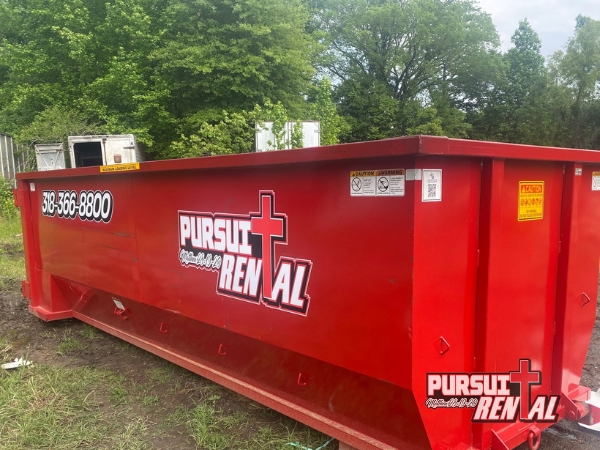
Common kitchen and bathroom remodel debris includes:
- Drywall and plaster
- Tile and backer board
- Cabinets, vanities, and shelving
- Countertops and backsplash material
- Fixtures (sinks, toilets, faucets, shower pans, lighting)
- Flooring and trim
The right dumpster size is less about finding the smallest option and more about avoiding two common problems: overfilling and going overweight.
Here’s the practical difference most homeowners notice:
- Bathroom remodels usually create lower volume, but the debris is dense (tile, drywall, fixtures). You can hit weight limits faster than you expect.
- Kitchen remodels tend to create more volume—cabinets, long pieces of trim, flooring, and countertop sections fill a dumpster quickly even if they aren’t as dense as tile.
That’s why many Monroe homeowners land on a 20-yard dumpster as a “middle ground” for kitchen and bathroom projects. It gives you breathing room for bulky tear-out without forcing you to stack debris above the rim or scramble mid-project.
A couple of simple rules prevent most issues:
- Load level with the top edge (nothing sticking up above the rim).
- Think about weight, not just space — tile, drywall, and countertops add up fast.
Timing is where remodel dumpster rentals go right—or get annoying fast. If the dumpster arrives too early, it can sit empty while you’re still waiting on materials, permits, or a contractor’s schedule. Too late, and demolition debris starts piling up in the driveway, blocking work and forcing you into rushed dump runs.
For most kitchen and bathroom projects, the smoothest plan is to schedule delivery right when demolition begins (or the day before, if you’re starting early). That way you can load debris as you go instead of trying to “catch up” after the mess has spread.
Pursuit typically allows up to 10 days for a rental, which works well for many remodel timelines—especially if you’re doing work in phases. If you think your project will run longer, it’s smart to plan ahead for extension days and be mindful that overweight loads can also affect total cost. A quick scheduling call before the demo starts can save you more hassle than any last-minute adjustment mid-project.
What can’t go in the dumpster are hazardous or restricted household materials—things like paint, solvents, chemicals, batteries, and similar items that require special handling. If you’re unsure what counts as hazardous household waste, the EPA’s overview is a good reference point: https://www.epa.gov/hw/household-hazardous-waste-hhw
And if you’re ever unsure about a specific item, ask before you toss it in. It’s far easier to confirm upfront than to fix a problem after the dumpster is already full.
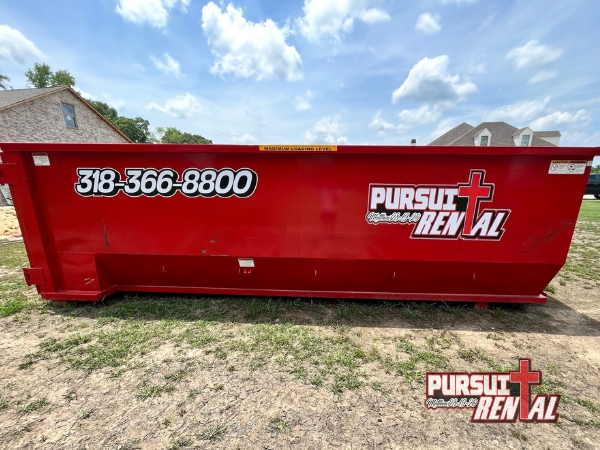
Common allowed items include:
- Drywall and trim
- Tile and backer board
- Cabinets, vanities, countertops, and flooring
- Non-hazardous fixtures (sinks, toilets, faucets, lighting)
Two best practices that keep pickup easy:
- Load evenly (don’t create a steep “mountain” on one side)
- Keep everything level with the top of the container
A dumpster rental makes the most sense when debris is created over time, not all at once. Kitchen and bathroom remodels often involve days—or weeks—of demolition and tear-out, especially when homeowners handle part of the work themselves.
A roll-off is usually a strong fit if:
- You’re doing DIY demolition
- You’re remodeling in phases (weekends, after work, or room-by-room)
- You’re replacing multiple surfaces like cabinets + flooring + tile
- You expect more than one or two debris loads
Instead of waiting for curbside pickup or hauling debris away every few days, you can load as the project moves forward and keep the work area clear.
The main advantage isn’t just disposal—it’s control. With a dumpster on site, cleanup happens on your schedule, which helps keep the remodel moving without unnecessary interruptions.